
Bulk laundry baskets are rapidly gaining popularity as essential home organization tools. Beyond their obvious function, these large-capacity containers offer a surprisingly diverse range of applications, from maximizing laundry room efficiency to transforming cluttered spaces into well-organized havens. Their versatility, combined with a growing market of options, makes them a worthwhile investment for individuals seeking both practicality and aesthetic appeal.
This in-depth analysis explores the various aspects of bulk laundry baskets, examining their features, materials, uses, and impact on modern living. From the initial product overview to a comprehensive look at market trends, this guide will equip readers with the knowledge to make informed decisions when choosing the right bulk laundry basket for their needs.
Product Overview
Bulk laundry baskets, a staple in modern households, are designed for efficient and convenient laundry management. Their large capacities streamline the process of collecting, sorting, and transporting laundry, reducing the time and effort required for household chores. This overview details the key features, materials, sizes, and design considerations of these versatile storage solutions.These baskets offer a significant advantage over traditional smaller hampers, particularly in large households or those with frequent laundry loads.
Their robustness and durability allow them to withstand the demands of regular use, making them a long-term investment in household organization.
Material Selection and Durability
The materials used in bulk laundry baskets significantly impact their durability and longevity. High-quality plastic options, such as polypropylene or polyethylene, are lightweight yet remarkably durable, resistant to stains, and easy to clean. These materials often come in various colors and textures, enhancing aesthetic appeal. Durable woven materials like heavy-duty canvas or reinforced polyester are another popular choice, providing a robust structure and a distinct aesthetic.
Fabric-based options often feature reinforced seams and straps for superior durability. Metal frames, particularly in more industrial-style baskets, provide exceptional strength and longevity but often come at a higher price point. The choice of material directly influences the basket’s lifespan and suitability for different environments.
Size and Capacity Variations
The market offers a range of bulk laundry basket sizes to accommodate diverse laundry needs. Standard capacities often range from 50 to 100 liters, while some premium models exceed 150 liters. Larger capacities are ideal for families with multiple children or for those who generate substantial laundry volumes. Size considerations should be matched with available storage space and the volume of laundry generated.
For example, a family of four might opt for a 60-liter basket, whereas a large family or frequent laundry users might require a 100-liter or larger option. Shopping guides often provide capacity charts for comparing models and finding the optimal size.
Design Elements and Aesthetics
Bulk laundry baskets are available in a variety of designs, from simple and functional to elaborate and stylish. Modern designs often incorporate clean lines and contemporary color palettes. Traditional designs may feature more intricate patterns or decorative elements. Consideration should be given to both the basket’s practicality and its visual appeal. For example, a woven basket might add a touch of rustic charm to a living room, while a sleek plastic hamper blends seamlessly into a modern laundry room.
The basket’s aesthetic should complement the overall decor and contribute to a positive and organized living space.
Uses and Applications
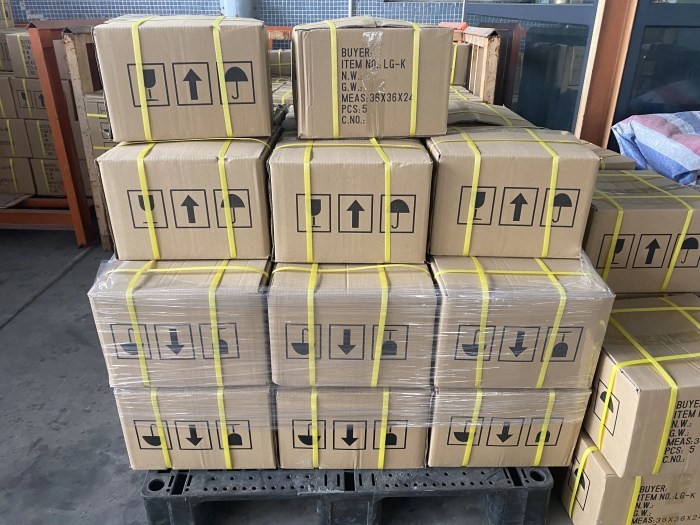
Bulk laundry baskets, beyond their primary function, offer a surprising array of organizational and storage solutions. Their large capacity and robust construction make them adaptable to various household and communal settings, enhancing efficiency and streamlining routines. These baskets, often overlooked as mere laundry receptacles, can revolutionize storage and organization.Beyond the laundry room, these versatile containers excel in multifaceted applications.
From maximizing space in apartments to streamlining dorm room organization, their adaptability makes them a valuable asset across different living environments. Their ability to improve laundry routines, in turn, impacts the efficiency of the entire household or living space.
Beyond Laundry: Creative Storage Solutions
Bulk laundry baskets, with their substantial size and durability, can transform into highly effective storage solutions. They provide a practical and aesthetically pleasing way to manage various household items, from linens and blankets to toys and seasonal clothing. This versatility translates into a significant space-saving advantage.
Maximizing Space in Different Settings
Bulk laundry baskets effectively address space constraints in various living environments. In apartments, where square footage is often limited, these baskets can be used to store out-of-season clothing, bedding, or even toys, maximizing available space. This practicality extends to dorm rooms, where efficient storage is paramount. Students can utilize these baskets to organize books, clothing, and personal items, creating a more organized and efficient living space.
For example, a student might use a large laundry basket to store winter clothes during the summer, freeing up closet space for other items.
Improving Laundry Routine Efficiency
Bulk laundry baskets, by their nature, improve laundry routine efficiency. Their large capacity allows for the collection of multiple loads in one basket, minimizing trips to the laundry room and the overall time spent on laundry. This can be particularly beneficial in large households or families, reducing the time and effort involved in the laundry process. By strategically placing these baskets in different areas of the home, the time and effort to collect laundry is significantly reduced.
For example, a family with multiple children might have a designated laundry basket in each child’s room, allowing for easy collection of laundry from different areas of the house.
Applications in Organization
Bulk laundry baskets can be seamlessly integrated into organizational systems. Their large size allows for the consolidation of similar items, promoting a sense of order and tidiness. This practicality extends to different areas of the house, such as bedrooms, living rooms, and even the garage, offering an easy and effective method for storing and organizing items. For instance, a large laundry basket can be used to organize blankets and pillows in a living room or guest room, keeping these items readily accessible while maintaining a neat appearance.
Material and Construction
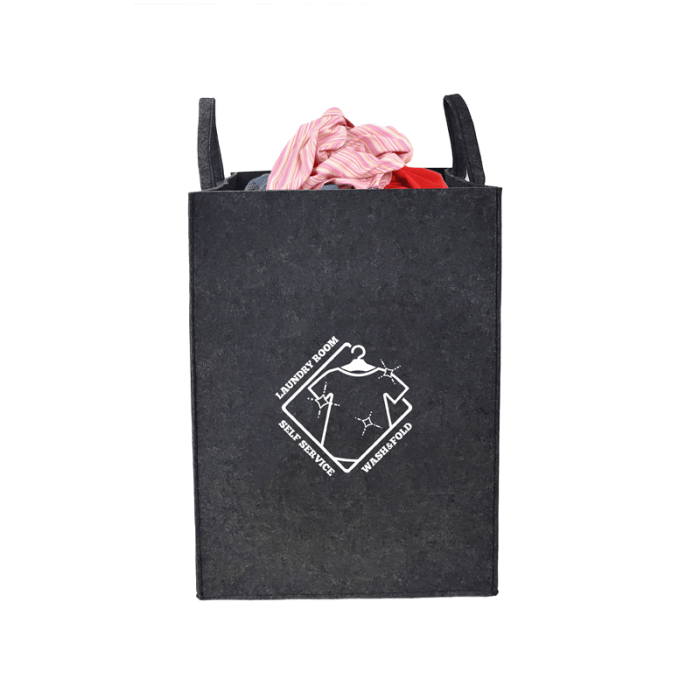
Bulk laundry baskets, a staple in modern households, come in a variety of materials, each offering unique advantages and disadvantages. The choice of material directly impacts the basket’s durability, cost-effectiveness, and aesthetic appeal. Understanding these trade-offs is crucial for consumers seeking the optimal solution for their laundry needs.
Material Selection
The materials used in bulk laundry baskets significantly influence their lifespan, price point, and overall aesthetic. Plastic, metal, and woven materials each present distinct sets of properties. The selection often hinges on the desired balance between these factors.
Plastic Baskets
Plastic laundry baskets are prevalent due to their affordability and lightweight nature. They are readily available in various colors and styles. However, plastic can sometimes lack the structural integrity of other materials. While generally durable for everyday use, repeated heavy loads or rough handling can lead to deformation or breakage. Lightweight plastic baskets are excellent for apartments and smaller homes, as they are easily maneuvered.
Metal Baskets
Metal laundry baskets, often constructed from steel or aluminum, are known for their robustness and durability. They can withstand substantial weight and repeated use without significant wear. This resilience translates to a longer lifespan compared to plastic options. However, metal baskets are typically more expensive and can be heavier to move, making them less suitable for those with limited mobility.
The weight of metal baskets also necessitates more robust support structures in storage solutions.
Woven Baskets
Woven laundry baskets, often crafted from natural fibers like wicker or rattan, provide a distinctive aesthetic appeal. Their natural beauty integrates seamlessly into various interior styles. However, woven baskets often have a shorter lifespan compared to plastic or metal alternatives due to their susceptibility to moisture damage, insect infestation, and general wear and tear. Maintaining the integrity of woven baskets requires consistent care and attention to environmental factors.
Comparative Analysis
The table below summarizes the key properties of different bulk laundry basket materials, highlighting their respective strengths and weaknesses:
| Material | Durability | Cost | Aesthetic Appeal | Ease of Maintenance |
|---|---|---|---|---|
| Plastic | Good for everyday use, but can be less durable under heavy loads. | Generally the most affordable. | Wide range of colors and designs. | Easy to clean and maintain. |
| Metal | High durability and strength, resistant to damage. | Higher cost than plastic. | Can be sleek and modern, but less visually varied than plastic. | Relatively easy to clean. |
| Woven | Moderate durability, susceptible to moisture and wear. | Intermediate cost. | Provides a natural, handcrafted aesthetic. | Requires more care to maintain, potentially prone to damage. |
Storage and Organization
Maximizing the utility of bulk laundry baskets hinges on strategic storage and organization. Efficient placement and clever configurations can transform a laundry room from a chaotic space to a streamlined operation. Proper storage solutions not only enhance the aesthetics but also significantly improve the workflow, reducing time spent searching for clean clothes and minimizing the risk of misplacing items.Effective storage and organization of laundry using bulk baskets are critical to maintaining a functional and clutter-free laundry room.
This section delves into practical tips and tricks, showcasing how to optimize space utilization with various basket configurations and storage solutions.
Laundry Basket Storage Solutions
Careful planning for laundry basket storage is crucial for optimizing space and workflow. The arrangement should consider factors like frequency of use, the basket’s size, and available storage space. Clever configurations can transform a laundry room into a well-organized space.
Tips and Tricks for Effective Storage
Effective storage of bulk laundry baskets requires a multifaceted approach. The following tips and tricks are designed to optimize space and streamline the laundry process.
- Strategic Placement: Position baskets near the washing machine and dryer for easy access and efficient workflow. Consider the proximity of the laundry room to bedrooms for easier transport of clean laundry.
- Vertical Space Utilization: Employ shelves, wall-mounted organizers, or stackable units to maximize vertical space. This is especially effective in smaller laundry rooms.
- Modular Storage Systems: Utilize modular storage units or shelving systems that can be easily adapted to accommodate various basket sizes and laundry needs. This allows for flexibility as laundry needs evolve.
- Designated Zones: Create designated zones for different types of laundry, such as whites, colors, delicates, and towels. This promotes efficiency and prevents mixing of different items.
- Clear Labeling: Clearly label each basket to indicate its contents or intended use. This prevents confusion and ensures easy identification of clean clothes.
Maximizing Space Utilization with Configurations
Different configurations can significantly maximize space utilization, especially in smaller laundry areas. Proper arrangement is essential to ensure easy access and efficient workflow.
- Stacking Baskets: Stacking baskets of different sizes, especially if using shelves or tall storage units, allows for efficient vertical space utilization, saving floor space and maximizing storage capacity.
- Wall-Mounted Systems: Employ wall-mounted systems to save floor space and create a cleaner aesthetic. This is particularly beneficial in cramped spaces or rooms with limited floor area.
- Under-Sink Storage: Utilizing under-sink space for baskets, particularly smaller ones, can free up floor space and maintain a streamlined aesthetic.
- Corner Solutions: Explore corner storage solutions to maximize space in otherwise unused corners of the laundry room. Use corner units or baskets designed for corner placement.
Table of Storage Solutions
The following table illustrates various storage solutions integrating bulk laundry baskets, showcasing different approaches to maximize space and organization.
| Storage Solution | Description | Space Saving Potential |
|---|---|---|
| Shelving Units | Utilize adjustable shelves to accommodate various basket sizes. | High |
| Wall-Mounted Organizers | Hang baskets on the wall, freeing up floor space. | High |
| Stackable Units | Stack baskets vertically to optimize vertical space. | Medium to High |
| Under-Sink Storage | Place baskets under the sink, maximizing underutilized space. | Medium |
| Corner Storage Units | Utilize corner spaces for storage, minimizing wasted area. | High |
Cleaning and Maintenance
Maintaining the pristine condition of bulk laundry baskets is crucial for their longevity and hygiene. Proper cleaning and regular maintenance prevent the buildup of dirt, odors, and potentially harmful microorganisms, extending the life of the baskets and ensuring a sanitary laundry environment. A well-maintained basket is not just more aesthetically pleasing; it’s also a more effective tool for laundry management.Effective cleaning involves a multi-faceted approach, considering material variations and the specific needs of each basket type.
This section details a step-by-step guide for maintaining optimal hygiene and performance.
Cleaning Procedures for Different Materials
Regular cleaning prevents the accumulation of stains, dirt, and odors. The cleaning method should be tailored to the basket’s material to avoid damage.
- Plastic Baskets: For plastic baskets, a mixture of mild dish soap and warm water is often sufficient. Use a soft-bristled brush or sponge to gently scrub the surface, ensuring thorough cleaning of crevices and corners. For stubborn stains, a solution of white vinegar and water can be effective. Rinse thoroughly with clean water and allow the basket to air dry completely to prevent mold and mildew buildup.
Avoid abrasive cleaners or scouring pads that can scratch the plastic surface.
- Metal Baskets: Metal baskets, particularly those made of steel or aluminum, can be cleaned with a solution of warm water and mild dish soap. A soft sponge or cloth should be used for cleaning, avoiding harsh scrubbing that could damage the finish. For tougher stains, a non-abrasive cleaner can be used, following the product instructions carefully. Rinse thoroughly with clean water and dry completely with a soft cloth.
If the metal has a coated finish, check the manufacturer’s instructions for appropriate cleaning solutions to avoid damaging the coating.
- Wooden Baskets: Wooden baskets require a more delicate approach. Use a damp cloth with mild dish soap to wipe down the surface. Avoid soaking the basket, as this can cause warping or damage to the wood. For stubborn stains, a solution of warm water and a small amount of white vinegar can be effective. Always allow the basket to air dry completely to prevent moisture damage.
Importance of Regular Maintenance
Regular maintenance is critical for maximizing the longevity of bulk laundry baskets. Regular cleaning not only improves hygiene but also prevents premature wear and tear. This proactive approach significantly extends the basket’s lifespan, saving money and reducing environmental impact from frequent replacements.
- Prevention of Mold and Mildew: Regular cleaning helps prevent the growth of mold and mildew, which can cause unpleasant odors and damage the basket’s material over time. Prompt removal of moisture is key to maintaining a hygienic environment.
- Extended Lifespan: Consistent cleaning protects the material from deterioration, preventing premature wear and tear. This leads to a longer lifespan for the laundry basket, reducing the need for frequent replacements and contributing to a more sustainable approach to household items.
- Improved Hygiene: Cleaning ensures a sanitary environment for laundry, preventing the spread of bacteria and unpleasant odors. This contributes to a healthier laundry routine and avoids potential health issues.
Recommended Cleaning Products
Choosing the right cleaning product is essential for effective cleaning and to prevent damage to the laundry basket. A variety of cleaning products are available, each with specific instructions for application and safety precautions.
| Material | Recommended Cleaning Product | Important Considerations |
|---|---|---|
| Plastic | Mild dish soap, white vinegar solution | Avoid abrasive cleaners and scouring pads |
| Metal | Warm water, mild dish soap, non-abrasive cleaner (if needed) | Check manufacturer’s instructions for coated finishes |
| Wood | Damp cloth with mild dish soap, warm water and white vinegar (for stubborn stains) | Avoid soaking to prevent warping |
Customer Reviews and Feedback
Consumer feedback on bulk laundry baskets reveals a nuanced picture, highlighting both the practical advantages and occasional drawbacks. Users often praise the baskets’ capacity for managing large laundry loads, but some report issues with durability and the overall design. Analyzing this feedback helps manufacturers understand customer needs and improve product offerings.
Common Customer Feedback Themes
Customer reviews frequently address the basket’s capacity, material quality, and ease of use. Positive feedback consistently emphasizes the baskets’ ability to hold significantly more laundry than traditional hampers, streamlining the laundry process. Negative reviews often cite durability issues, such as tearing or stitching failure, especially with frequent use and heavier loads. Ease of maneuverability and overall design, including the basket’s height and stability, are also recurring topics in both positive and negative feedback.
Positive Aspects of Bulk Laundry Baskets
Users frequently comment on the baskets’ impressive capacity, often exceeding the laundry volume of multiple standard hampers. This significant capacity is cited as a major benefit for large households or those with substantial laundry volumes. The ease of emptying and transferring laundry from the basket is another recurring positive aspect. Many users praise the basket’s ability to streamline the laundry process, reducing the need for multiple trips and the associated effort.
Some positive feedback mentions the baskets’ aesthetic appeal and integration into various laundry room designs.
Negative Aspects of Bulk Laundry Baskets
Durability is a key concern. Frequent complaints highlight the basket’s tendency to tear or fray, particularly at stress points like the handles or seams. This is often exacerbated by heavy loads or the basket’s use in less-than-ideal environments, like damp basements or areas with excessive movement. Users also comment on the basket’s height and stability. Some struggle to maneuver the basket due to its size and weight, leading to potential spills or laundry mishaps.
Furthermore, some customers find the basket’s design less aesthetically pleasing compared to more traditional laundry hampers.
Customer Satisfaction Trends
Overall customer satisfaction with bulk laundry baskets is linked to the material and the size. Larger sizes, while appreciated for their capacity, may experience more durability issues. Higher-quality materials are generally associated with better durability and user satisfaction. The longevity and performance of the basket are highly correlated with the material’s robustness and the basket’s design features.
Summary of Customer Feedback
| Material | Size | Positive Feedback | Negative Feedback |
|---|---|---|---|
| Polyester | XL | High capacity, aesthetically pleasing | Tearing at seams, lower durability |
| Heavy-duty canvas | Large | Robust construction, handles are strong | High price point, relatively heavy |
| Reinforced plastic | Standard | Durable, easy to clean, lightweight | Limited capacity, less attractive design |
Market Trends and Analysis
Bulk laundry baskets are experiencing a surge in popularity, driven by a growing emphasis on streamlined home organization and a focus on sustainable living. Consumers are increasingly seeking space-saving solutions and durable, long-lasting products to minimize environmental impact. This trend is particularly pronounced in urban environments, where limited living spaces necessitate efficient storage solutions.The market for bulk laundry baskets is influenced by several key factors.
These include a rise in awareness of the environmental impact of single-use plastics and disposable products, coupled with the rising cost of living and a desire to cut down on expenses associated with frequent replacements. Consumers are opting for durable, reusable solutions, contributing to the demand for high-quality, bulk laundry baskets.
Current Market Trends
The bulk laundry basket market is experiencing a shift toward eco-friendly materials like recycled plastic and sustainably sourced wood. These materials are preferred by environmentally conscious consumers who seek products with a reduced carbon footprint. Color palettes are expanding beyond traditional neutrals, reflecting a desire for aesthetic appeal in laundry rooms and utility spaces.
Factors Influencing Popularity and Demand
Several factors are driving the popularity and demand for bulk laundry baskets. The increasing prevalence of multi-generational households and large families necessitates larger capacity storage solutions. Convenience and time-saving features, such as foldable designs or integrated wheels, are highly sought-after. The growing popularity of DIY and home improvement projects further enhances the market’s appeal, as bulk laundry baskets are frequently incorporated into customized storage solutions.
Potential Future Developments and Innovations
Future developments in the bulk laundry basket market may include integrated laundry sorting systems. This could involve compartments or dividers within the basket, enabling separate storage for different clothing types. Smart features, such as automated laundry sorting based on color or fabric type, are also potential areas for innovation. The introduction of self-emptying or self-folding features is another possible avenue for future innovation.
Competitor Analysis
Competitor products in the bulk laundry basket market range from basic, budget-friendly options to high-end, feature-rich models. Key competitors are often differentiated by the quality of materials used, the capacity of the basket, and the inclusion of design elements. An analysis of competitor products reveals a diverse range of options catering to various budgets and storage needs. Companies focusing on unique design aesthetics or specialized materials, such as those using antimicrobial treatments, are gaining traction.
Environmental Impact
Bulk laundry baskets, while convenient, introduce a layer of environmental consideration. The materials used, their manufacturing processes, and the eventual disposal impact the ecological footprint. Understanding these factors is crucial for consumers and manufacturers alike in creating a more sustainable product.The environmental impact of a product extends beyond its initial production. The entire lifecycle, from raw material extraction to eventual disposal, contributes to the overall ecological footprint.
Minimizing this impact requires a comprehensive approach that considers each stage of the product’s existence.
Material Sustainability
Various materials are used in bulk laundry baskets, each with its own environmental footprint. The choice of material significantly influences the product’s sustainability.
- Plastic: Commonly used for its durability and affordability, plastic presents challenges. The production of plastic relies heavily on fossil fuels, contributing to greenhouse gas emissions. Furthermore, plastic’s longevity and difficulty in biodegradation lead to persistent pollution in landfills and the environment. Recycled plastic, while a positive step, often faces quality limitations impacting product performance and lifespan.
Examples include lower impact plastic alternatives like bioplastics derived from renewable sources, but these often come with trade-offs in cost and performance.
- Metal (e.g., Steel, Aluminum): Metal production requires significant energy, though recycling significantly reduces the environmental impact. Steel and aluminum, when recycled, can be repurposed with minimal energy loss. The longevity of metal laundry baskets contributes to a lower production rate per usage compared to plastic, but the initial manufacturing energy consumption is considerable.
- Wood: Wood baskets are a more sustainable option when sourced from responsibly managed forests. However, deforestation and unsustainable harvesting practices significantly impact biodiversity and carbon sequestration. Proper wood treatment and finish are essential to prevent chemical leaching into the environment.
Lifecycle Assessment
Understanding the complete lifecycle of a bulk laundry basket is vital. This involves analyzing the environmental impact from material extraction to disposal.
- Manufacturing: The manufacturing process, including energy consumption, water usage, and waste generation, impacts the product’s environmental footprint. Energy-efficient manufacturing processes and the use of recycled materials are key in minimizing this impact.
- Transportation: Transportation of raw materials and finished products contributes to greenhouse gas emissions. Optimizing logistics and utilizing sustainable transportation methods can significantly reduce this impact. For example, using rail transport over road transport can reduce emissions.
- Usage Phase: The longevity and durability of the bulk laundry basket directly influence its environmental impact. A longer lifespan reduces the need for frequent replacements, decreasing the overall production required.
- Disposal: Proper disposal methods are essential. Materials should be recycled whenever possible, minimizing the environmental burden of landfill disposal. In many jurisdictions, recycling programs are in place, and manufacturers should work with local recycling centers to encourage proper waste management.
Reducing Environmental Impact
Several strategies can be employed to minimize the environmental impact of bulk laundry baskets.
- Material Selection: Prioritizing recycled and renewable materials, or materials with a lower carbon footprint, is a crucial step. For example, choosing baskets made from recycled plastic or sustainably sourced wood.
- Manufacturing Optimization: Implementing energy-efficient manufacturing processes, reducing water consumption, and minimizing waste generation are vital steps. Using renewable energy sources for manufacturing facilities is an ideal approach.
- Product Durability: Designing baskets for a longer lifespan reduces the need for frequent replacements, lowering the overall environmental impact. Using robust and high-quality materials is key.
- Extended Producer Responsibility (EPR): Implementing EPR programs can ensure the responsible management of products at the end of their lifecycle. Manufacturers can take responsibility for the proper disposal and recycling of their products.
Product Comparisons
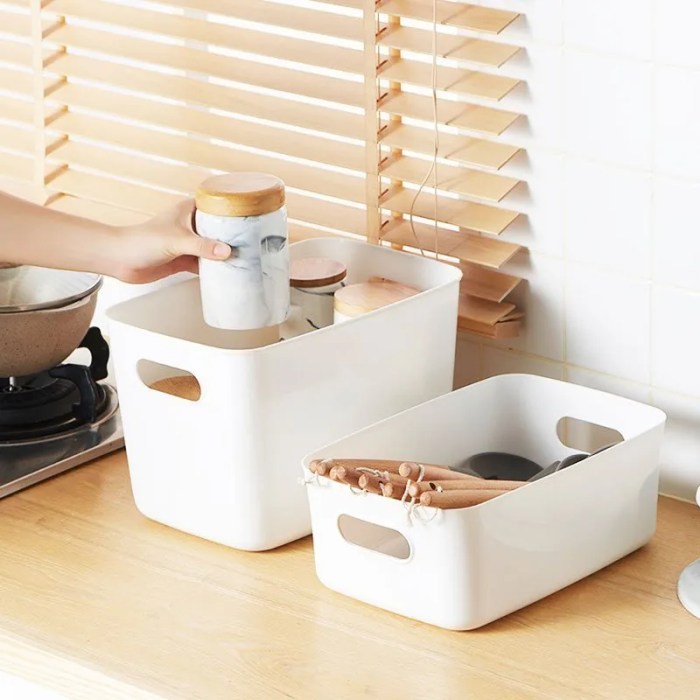
Navigating the market for bulk laundry baskets reveals a diverse array of options, each vying for consumer attention. Understanding the nuances in quality, pricing, and features is crucial for making an informed purchase decision. This section delves into detailed comparisons of prominent brands, highlighting their unique characteristics.The competitive landscape for bulk laundry baskets is shaped by factors such as material durability, basket size, and design.
These distinctions translate into varying price points, ultimately affecting the purchasing power of different consumers.
Brand-Specific Feature Comparisons
Comparing laundry basket brands necessitates a granular look at their unique features. Material composition, basket size, and added design elements all contribute to the final product.
- Durability and Material: Key differentiators among brands often lie in the material used for the basket. For example, some brands favor heavy-duty plastic, known for its resistance to wear and tear, while others opt for reinforced woven materials. The durability directly influences the longevity of the product, impacting the overall value proposition. A sturdy plastic basket might be more resistant to stains and punctures compared to a woven basket, making it suitable for high-traffic areas.
Conversely, a woven basket might offer a more aesthetic appeal. The choice of material directly impacts the product’s lifespan and the potential for damage over time.
- Basket Size and Capacity: Basket size is a critical factor for users with substantial laundry loads. Brands often vary in the maximum capacity they can accommodate. This directly affects the number of items a basket can hold, which translates to the number of loads handled during a single cycle. For example, a large-capacity basket is ideal for families with multiple members or households that frequently generate large laundry piles.
A smaller-capacity basket, on the other hand, might suffice for smaller households or individuals with moderate laundry needs.
- Design and Features: Beyond capacity and material, design elements play a role in functionality. Some baskets include handles for easy transport, while others might incorporate integrated compartments for separating clothes by type. These features can simplify the laundry process and improve organization. A basket with a reinforced base might be more stable and less prone to tipping, making it a safer choice for storing laundry.
This level of design detail reflects the manufacturer’s focus on user experience and the specific needs they aim to address.
Comparative Analysis Table
A concise comparison table aids in the evaluation process.
| Brand | Material | Capacity (cu ft) | Features | Price (USD) |
|---|---|---|---|---|
| Brand A | Heavy-duty plastic | 30 | Handles, reinforced base | $45 |
| Brand B | Reinforced woven material | 25 | Handles, integrated dividers | $60 |
| Brand C | Durable plastic | 28 | Removable lid, collapsible design | $55 |
| Brand D | Metal | 32 | Heavy-duty handles, large wheels | $70 |
This table summarizes the key differences between the four brands, allowing for a quick assessment based on size, material, features, and price. Note that the price range may vary depending on retailer and specific product models.
End of Discussion
In conclusion, bulk laundry baskets are more than just containers; they’re integral components of a well-organized home. This comprehensive guide has explored the diverse uses, materials, and market trends surrounding these essential storage solutions. From maximizing laundry efficiency to enhancing overall home organization, bulk laundry baskets offer a practical and aesthetically pleasing solution. By understanding the different materials, features, and customer feedback, consumers can confidently select the ideal bulk laundry basket to meet their specific needs.
