
Anti-static throw blankets are more than just cozy comfort; they represent a crucial advancement in safety and functionality, particularly in industries where static electricity poses a significant risk. From preventing sparks in sensitive environments to offering a durable and reliable solution for various applications, these specialized blankets are rapidly gaining traction. Understanding their properties, applications, and the considerations involved in their use is key to appreciating their growing importance.
This comprehensive overview delves into the science behind anti-static properties, exploring the diverse applications of these blankets and the factors influencing their selection. It examines the materials used, the manufacturing processes, and the comparative advantages over traditional throw blankets. Finally, it addresses environmental impact and customer feedback, offering a complete picture of the anti-static throw blanket market.
Introduction to Anti-Static Throw Blankets
Anti-static throw blankets are gaining popularity as a practical and stylish addition to homes and work environments. These blankets are specifically designed to mitigate static electricity buildup, a common issue that can be disruptive and even dangerous in certain contexts. They play a crucial role in preventing the accumulation of static charges, offering benefits ranging from comfort to protection.These blankets are particularly useful in environments where static discharge can be problematic.
They offer a layer of protection against the build-up of static electricity, thereby preventing sparks and other potential hazards. The benefits extend beyond safety; they also enhance comfort by reducing the unpleasant sensation of static cling. Their application spans a wide range of settings, from personal use to industrial applications.
Anti-Static Properties
Anti-static throw blankets achieve their properties through the use of specialized materials. These materials are engineered to effectively dissipate static electricity, ensuring that the blanket doesn’t hold a charge. This is crucial in environments where static buildup can be a safety hazard or create discomfort.
Common Materials
The selection of materials for anti-static throw blankets is influenced by factors like cost, performance, and desired aesthetic. Common materials include blends of polyester, nylon, and cotton. Polyester and nylon are frequently chosen for their durability and ability to readily dissipate static. Cotton, while naturally less anti-static, can be combined with anti-static treatments for improved performance. These materials can be combined in various proportions to achieve a balance between cost and desired static-dissipating properties.
Types of Anti-Static Throw Blankets
The market offers a variety of anti-static throw blankets catering to diverse needs and preferences. These include traditional blankets, lightweight throws, and even decorative pieces incorporating anti-static properties. The variety in designs and aesthetics allows consumers to choose a blanket that aligns with their personal style and preferences, while still maintaining the core anti-static functionality.
Comparison of Anti-Static Throw Blanket Types
| Type | Material | Features | Price (Estimated) |
|---|---|---|---|
| Traditional Anti-Static Blanket | Polyester/Cotton Blend | Durable, comfortable, good for everyday use | $50-$100 |
| Lightweight Anti-Static Throw | Polyester/Nylon Blend | Lightweight, ideal for layering, good for travel | $30-$75 |
| Anti-Static Decorative Throw | Polyester/Acrylic Blend | Stylish designs, suitable for accent pieces, often with added texture | $75-$150 |
Note: Prices are approximate and can vary based on size, brand, and specific features.
Anti-Static Properties and Mechanisms
Anti-static throw blankets, increasingly popular for their comfort and practicality, rely on sophisticated material science to mitigate the buildup of static electricity. These blankets offer a significant advantage in environments where static discharge can be problematic, from home electronics to industrial settings. Understanding the underlying scientific principles is crucial for appreciating the effectiveness of these products.The buildup of static electricity stems from the imbalance of electrons between materials.
Friction, contact, and separation processes can generate excess electrons on one surface, leaving the other surface with a deficit. Anti-static throw blankets are designed to neutralize this imbalance, preventing the spark that often accompanies static discharge. This is achieved through a combination of material selection and specialized treatments.
Conductive Fibers and Their Role
Conductive fibers are integral to the anti-static properties of these blankets. These fibers, often made from materials like carbon or conductive polymers, possess the unique ability to readily conduct static charges. When static electricity builds up on the fabric, these fibers provide a pathway for the charge to dissipate safely into the surrounding environment, preventing a shock. For instance, carbon-based fibers exhibit exceptional conductivity, enabling rapid charge dispersal, making them a critical component in achieving an anti-static outcome.
Methods for Achieving Anti-Static Properties
Several methods are employed to incorporate anti-static properties into textile materials. One common approach involves the application of anti-static agents directly to the fibers during the manufacturing process. These agents can be chemical compounds that alter the surface properties of the fibers, enhancing their conductivity. Another method involves weaving or knitting conductive fibers into the fabric structure. This approach ensures that the anti-static properties are inherent to the fabric itself, offering consistent performance.
Anti-Static Treatment Methods and Effectiveness
Different anti-static treatments have varying degrees of effectiveness. The choice of method depends on the specific application and desired performance characteristics.
| Treatment Method | Effectiveness | Comments |
|---|---|---|
| Surface Treatment with Anti-Static Agents | Good | Effective for a wide range of fabrics, but may require specific care instructions |
| Conductive Fiber Incorporation | Excellent | Provides inherent anti-static properties; often more durable than surface treatments |
| Electrostatic Discharge (ESD) Protection | High | Common in industrial settings for protecting sensitive equipment from static discharge |
Applications and Uses of Anti-Static Throw Blankets
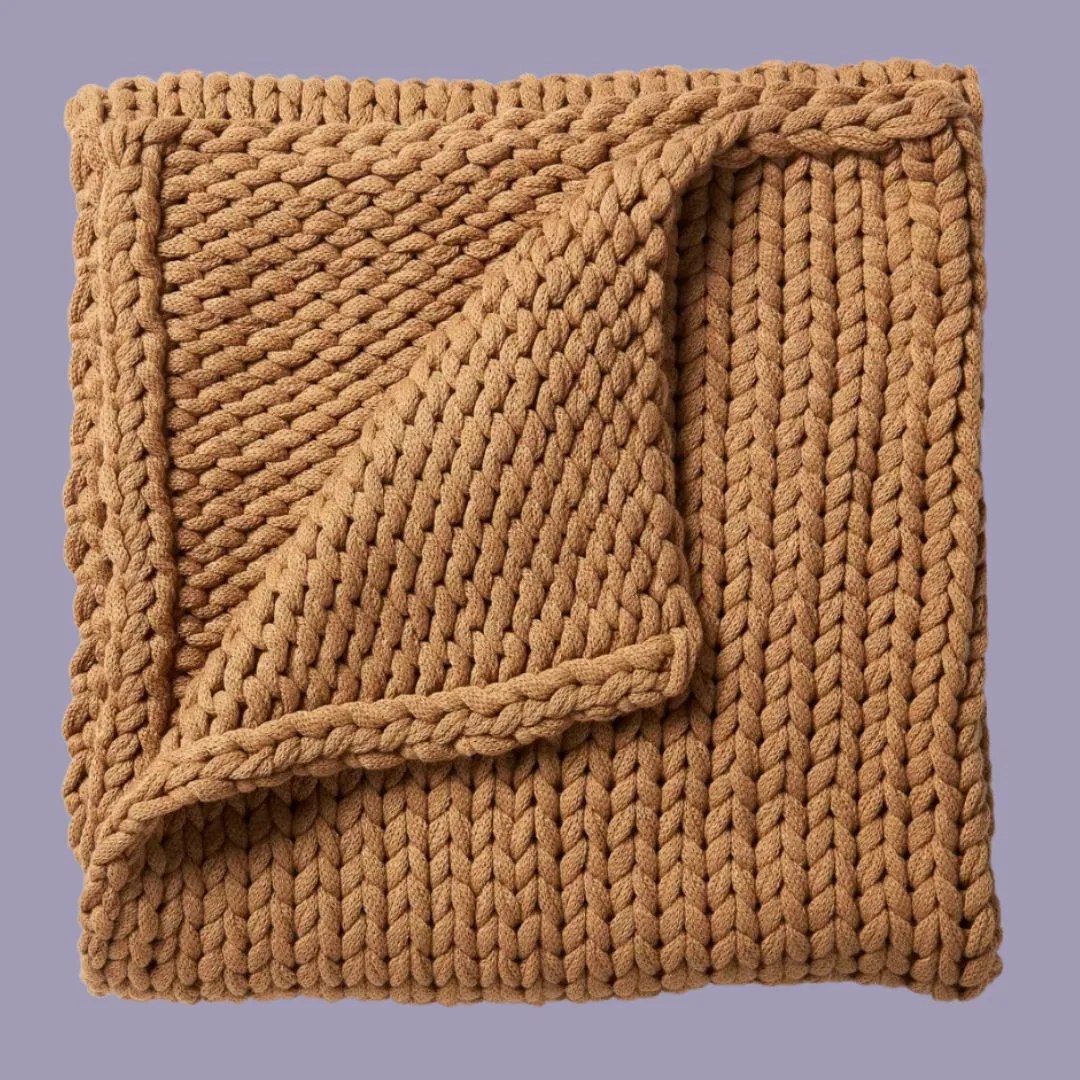
Anti-static throw blankets are increasingly crucial in various industries where static electricity poses a significant risk. Their ability to dissipate static charges effectively prevents potentially hazardous situations, including sparks and fires. This application extends beyond the realm of simple safety, impacting the quality control and overall operational efficiency of sensitive manufacturing processes.These specialized blankets mitigate the risks associated with static discharge, ensuring the safety and reliability of operations in industries dealing with flammable materials, delicate electronic components, and sensitive equipment.
This detailed analysis will highlight specific industries where anti-static throw blankets are essential, illustrating their crucial role in preventing static-related incidents and maintaining safe working environments.
Industries Benefiting from Anti-Static Blankets
Anti-static throw blankets are a vital component in several industries where the risk of static electricity ignition is significant. Their effectiveness lies in their ability to neutralize static charges, thereby preventing potential sparks and fires. The widespread use of these blankets in sensitive environments underscores their importance in maintaining operational safety and preventing costly downtime.
- Aerospace Manufacturing: In the aerospace industry, delicate electronic components and fuel handling are critical. Anti-static blankets are used extensively in assembly lines to prevent static discharge that could damage sensitive circuitry or create ignition hazards. The potential for catastrophic failure in an aircraft underscores the importance of robust anti-static procedures.
- Electronics Manufacturing: The fabrication of microchips and other sensitive electronic components demands the utmost precision. Anti-static blankets are essential in protecting these components from static-induced damage during handling and assembly. This protects the quality of the finished product and minimizes production downtime.
- Chemical Processing: Flammable chemicals and volatile materials often present a significant static discharge risk in chemical processing facilities. Anti-static blankets provide a crucial safety measure in handling these materials, preventing sparks that could lead to explosions or fires. Safety regulations mandate the use of anti-static materials in areas where flammable substances are processed.
- Pharmaceutical Production: The pharmaceutical industry relies on precise handling and storage of sensitive medications and materials. Anti-static blankets are utilized to maintain the integrity of these products, preventing static-induced damage and contamination. The protection of sensitive pharmaceutical products from static damage is crucial to maintaining product quality and safety.
Preventing Static Discharge and Related Hazards
Anti-static throw blankets offer a practical and effective solution to mitigate static discharge risks in various applications. Their inherent ability to dissipate static charges dramatically reduces the risk of sparks and fires in sensitive environments.
- Spark Prevention: By providing a conductive pathway for static electricity to dissipate, anti-static blankets prevent the buildup of dangerous static charges that could lead to sparks. This is particularly crucial in environments where flammable materials are present.
- Fire Prevention: Sparks generated from static discharge can ignite flammable materials, leading to costly fires and potential safety hazards. Anti-static blankets effectively neutralize these charges, minimizing the risk of fire incidents.
- Product Protection: In industries like electronics manufacturing, static discharge can damage sensitive components. Anti-static blankets help protect these components from static-induced damage, ensuring the quality and functionality of the final product.
Diverse Applications Table
The following table illustrates the diverse applications of anti-static throw blankets across various industries:
| Industry | Application | Safety Benefit |
|---|---|---|
| Aerospace | Protecting electronic components during assembly | Preventing static discharge damage and fire hazards |
| Electronics | Protecting microchips and other sensitive components | Maintaining product quality and functionality |
| Chemical Processing | Handling flammable and volatile chemicals | Preventing static-induced explosions and fires |
| Pharmaceutical | Protecting sensitive medications and materials | Maintaining product integrity and preventing contamination |
| Manufacturing (general) | Protecting sensitive machinery and equipment | Preventing damage and ensuring smooth operation |
Key Features and Advantages
Anti-static throw blankets offer a compelling alternative to conventional blankets, particularly in environments where static electricity poses a risk or a nuisance. These specialized textiles go beyond mere comfort, incorporating crucial features that enhance safety and operational efficiency. Their unique properties are driving adoption across diverse sectors, from industrial settings to residential applications.The primary differentiator lies in the inherent anti-static properties, which are engineered into the fabric.
This distinguishes them from standard blankets, which typically accumulate static charges. The benefits extend beyond the elimination of static shocks, influencing overall comfort and performance in various environments.
Anti-Static Fabric Composition
Anti-static throw blankets employ specialized fibers and treatments that actively resist the buildup of static electricity. This is achieved through the incorporation of conductive or dissipative materials within the fabric structure. These materials facilitate the rapid discharge of static charges, preventing the accumulation of potentially harmful or bothersome static electricity. For instance, certain types of polyester blends are often treated with conductive additives to achieve anti-static properties.
Enhanced Safety in Specific Environments
The use of anti-static blankets offers significant safety advantages in environments where static electricity can pose risks. In industrial settings, where flammable materials or sensitive electronic equipment are present, these blankets mitigate the risk of static sparks that could lead to fires or equipment malfunctions. Similarly, in healthcare facilities, where electronic medical devices are prevalent, the anti-static properties reduce the risk of interference and ensure proper functionality.
This is particularly crucial in operating rooms or intensive care units.
Durability and Longevity
Anti-static throw blankets are designed for sustained use and maintain their effectiveness over time. The durability of the fabric and the effectiveness of the anti-static treatment are crucial factors. High-quality materials and advanced manufacturing processes ensure that the anti-static properties remain consistent throughout the blanket’s lifespan. In practical terms, this translates to a longer useful life compared to blankets lacking these specialized treatments.
Performance Comparison: Anti-Static vs. Conventional Blankets
| Feature | Anti-Static Blanket | Conventional Blanket |
|---|---|---|
| Static Electricity Resistance | Excellent – actively dissipates static charges | Poor – tends to accumulate static charges |
| Safety in Sensitive Environments | High – minimizes risk of static sparks | Low – increases risk of static sparks |
| Comfort | Comparable to conventional blankets | Comparable to conventional blankets |
| Durability | High – designed for sustained use | Variable – depends on material quality |
| Cost | Potentially higher than conventional blankets | Generally lower |
Care and Maintenance of Anti-Static Throw Blankets
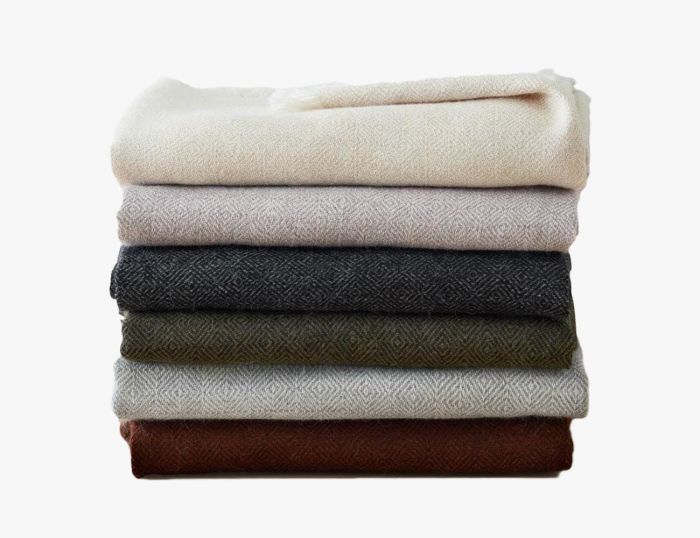
Preserving the anti-static properties of throw blankets is crucial for their longevity and effectiveness. Proper care ensures these blankets maintain their desired functionality, protecting electronics and sensitive equipment from static discharge. Neglecting proper washing and drying procedures can diminish the anti-static treatment, rendering the blanket less effective.Maintaining the anti-static treatment is essential for the blanket’s continued performance. This involves understanding the specific washing and drying instructions to avoid compromising the specialized fibers or coatings responsible for the anti-static function.
Carefully following these guidelines will prolong the life of the blanket and keep it functioning as intended.
Washing Procedures
Maintaining the anti-static properties of throw blankets requires meticulous washing practices. Improper washing methods can degrade the special treatments, compromising their anti-static effectiveness. Careful attention to the washing instructions is paramount to preserving the blanket’s unique characteristics.
- Cold Water Wash: Using cold water is generally recommended to avoid shrinking or damaging the fibers. This is crucial for preserving the anti-static treatment. This temperature range helps maintain the effectiveness of the anti-static coating, preventing it from dissolving or losing its properties.
- Gentle Cycle: Select a gentle or delicate cycle to minimize friction and agitation, which can harm the anti-static treatment. Gentle cycles reduce stress on the fabric, thereby extending the life of the blanket and preventing premature wear of the anti-static fibers.
- No Bleach: Avoid using bleach, as it can damage the anti-static treatment and alter the color of the blanket. Bleach can degrade the anti-static properties, potentially rendering the blanket ineffective. It’s always best to avoid using bleach for delicate fabrics and those with special treatments.
- Separate Washing: Wash the blanket separately from other items to prevent the transfer of dirt or staining, and to avoid potentially damaging the anti-static treatment from other materials.
Drying Procedures
Proper drying techniques are equally vital for maintaining the anti-static properties. Excessive heat can degrade the anti-static treatment, while insufficient drying can lead to wrinkles and potential damage. Understanding the drying methods will ensure the blanket retains its anti-static functionality.
- Tumble Dry Low: Using a low heat setting during the drying cycle is crucial. High heat can melt or degrade the anti-static treatment, making the blanket less effective. Using a low heat setting is essential to preserve the delicate anti-static treatment.
- Air Dry: For certain types of blankets, air drying may be a better option than tumble drying. Air drying is often recommended for delicate anti-static blankets to avoid heat damage to the treatment. This gentle drying method allows the blanket to retain its anti-static properties.
- Avoid Over-Drying: Do not over-dry the blanket, as this can lead to excessive shrinkage and damage to the fibers. Over-drying can also cause the anti-static treatment to break down, reducing its effectiveness.
Identifying Signs of Damage
Recognizing signs of damage to the anti-static properties is essential for proactive maintenance. Changes in the blanket’s ability to repel static can indicate a degradation in the treatment. Regular inspection and prompt action can help prolong the life of the blanket and its anti-static functionality.
- Increased Static Build-Up: A noticeable increase in static build-up on the blanket suggests a decline in the anti-static treatment. This is a clear indicator that the blanket’s anti-static properties are weakening.
- Loss of Smoothness: A rough or less smooth texture might indicate damage to the fibers or the anti-static treatment. Changes in the blanket’s texture can indicate that the anti-static treatment has been compromised.
- Discoloration: Significant discoloration, especially after washing, may suggest damage to the anti-static treatment. This could indicate a breakdown of the anti-static properties.
Washing Instructions Table
This table provides a general guide for washing various types of anti-static throw blankets. Specific instructions should always be followed as provided by the manufacturer.
| Blanket Type | Washing Instructions |
|---|---|
| Polyester | Cold water, gentle cycle, tumble dry low |
| Microfiber | Cold water, gentle cycle, tumble dry low or air dry |
| Cotton | Cold water, gentle cycle, air dry or tumble dry low |
| Acrylic | Cold water, gentle cycle, tumble dry low |
Comparison with Similar Products

Anti-static throw blankets offer a unique set of benefits, but their value proposition needs to be assessed against competing products. This comparison highlights the distinct characteristics of anti-static blankets, differentiating them from thermal blankets and other standard options. Understanding these differences is crucial for consumers seeking the optimal solution for their specific needs.Evaluating anti-static blankets alongside thermal options and traditional throws reveals key distinctions in functionality and intended use.
While thermal blankets prioritize warmth, anti-static blankets prioritize minimizing static buildup. The comparative cost-effectiveness of anti-static options versus alternatives is also examined.
Anti-Static vs. Thermal Blankets
Anti-static blankets are designed to mitigate static electricity, a feature not found in thermal blankets. Thermal blankets prioritize insulation and warmth, often made from heavier materials like fleece or sherpa. The choice between anti-static and thermal blankets depends entirely on the user’s needs.
- Performance Differences: Anti-static blankets excel at dissipating static electricity, making them suitable for individuals concerned about static discharge or those working in environments sensitive to it. Conversely, thermal blankets focus on retaining heat, making them ideal for cold nights or chilly environments. A thermal blanket, for example, might be ideal for a person seeking extra warmth on a cold winter night, while an anti-static blanket is suitable for someone working in a laboratory setting, or someone sensitive to static electricity.
- Material Composition: Anti-static blankets often incorporate conductive fibers or treatments to facilitate static discharge. Thermal blankets, on the other hand, usually utilize insulating materials for warmth retention, such as fleece or sherpa.
- Intended Use: Anti-static blankets are particularly well-suited for environments where static buildup is a concern, such as laboratories, workshops, or even homes with individuals sensitive to static discharge. Thermal blankets, conversely, are tailored for warmth and comfort, making them popular choices for chilly nights or when additional insulation is needed.
Cost-Effectiveness Analysis
The cost-effectiveness of anti-static blankets depends on the specific application and the desired level of static protection. While premium anti-static blankets might command a higher price point than standard thermal or fleece blankets, their long-term value can be significant in environments where static discharge is a recurring issue.
| Product Type | Features | Typical Price Range |
|---|---|---|
| Anti-Static Throw Blankets | Static-dissipating fibers, reduced static buildup, potentially more durable. | Mid-range to high, depending on quality and size. |
| Thermal Throw Blankets | Warmth retention, heavier materials, often more affordable. | Lower to mid-range. |
| Standard Fleece Throw Blankets | Comfort, affordability, often softer feel. | Lower range. |
“The higher initial cost of anti-static blankets may be offset by reduced maintenance costs and potential savings from avoiding damage or disruption caused by static discharge in specific environments.”
Design and Construction Considerations
Anti-static throw blankets, increasingly sought after for their practical and aesthetic appeal, demand meticulous attention to design and construction. The manufacturing process, material selection, and quality control all play crucial roles in ensuring the product’s effectiveness and longevity. The meticulous execution of these elements directly impacts the blanket’s performance and end-user experience.
Manufacturing Processes
The production of anti-static throw blankets typically involves a multi-stage process. Initial material preparation often includes cleaning and conditioning to eliminate impurities and ensure consistent properties. This is followed by cutting and sewing operations, where precise measurements and skilled craftsmanship are paramount. Specialized equipment is often employed to achieve the desired stitching patterns and finish. The final stage involves quality checks to guarantee the blanket’s anti-static properties and overall aesthetic appeal.
Material Selection Criteria
Selecting the right materials is critical for an effective anti-static throw blanket. Fibers with inherent anti-static properties, such as certain blends of polyester and cotton, are often preferred. The fabric’s breathability and softness are also key considerations, impacting the user experience. The choice of thread for stitching is equally important, as it must complement the fabric’s characteristics and contribute to the blanket’s durability.
Cost-effectiveness and sustainability are additional factors in material selection.
Quality Control Measures
Rigorous quality control procedures are essential to ensure consistent anti-static performance across all blankets. This involves testing for static discharge properties, often using specialized equipment to measure the rate at which static electricity dissipates. Visual inspections for flaws in the stitching, fabric texture, and overall construction are also conducted. These checks help maintain a high standard of quality and meet customer expectations.
The specific tests and standards may vary depending on the manufacturer and target market.
Patterns and Designs
Anti-static throw blankets are available in a wide array of patterns and designs, catering to diverse aesthetic preferences. From classic solid colors to intricate patterns, the variety offers consumers options that match their interior decor. Modern designs incorporate geometric patterns and abstract themes, while traditional patterns like plaids and stripes remain popular. This range of choices enables consumers to seamlessly integrate the blankets into various home environments.
Manufacturing Process and Quality Standards Table
| Manufacturing Process | Quality Standards |
|---|---|
| Material Preparation | Impurity levels below acceptable threshold, consistent fiber properties, adherence to environmental regulations |
| Cutting and Sewing | Precise measurements, adherence to stitch specifications, minimal fabric waste, consistent seams |
| Anti-static Treatment | Achieving a specific level of static discharge resistance (e.g., measured in ohms per square), adherence to industry standards |
| Final Inspection | Visual inspection for flaws, static discharge testing, adherence to size and weight specifications |
Environmental Impact and Sustainability
Anti-static throw blankets, while offering practical benefits, have a crucial environmental footprint. The materials used, manufacturing processes, and eventual disposal all contribute to the overall sustainability of these products. Consumers increasingly demand environmentally conscious choices, prompting manufacturers to explore eco-friendly options and responsible production methods.
Material Choices and Environmental Impact
The selection of materials directly impacts the environmental footprint of anti-static throw blankets. Synthetics, commonly used for their anti-static properties, often rely on fossil fuels for production. Natural fibers, while potentially more sustainable, might present challenges in achieving the necessary anti-static properties. Understanding the environmental impact of each material is critical for responsible sourcing and manufacturing.
Eco-Friendly Materials and Production Processes
Several eco-friendly materials and production processes are emerging in anti-static blanket manufacturing. Recycled polyester, for example, reduces the reliance on virgin materials and minimizes waste. Bio-based materials, derived from renewable resources like plant fibers, are another viable alternative. Sustainable production processes, including reduced water usage and energy consumption during manufacturing, are essential for minimizing the overall environmental impact.
Manufacturers should prioritize certifications like Global Organic Textile Standard (GOTS) or OEKO-TEX Standard 100 to ensure ethical and environmentally responsible production.
Recyclability of Anti-Static Blanket Materials
The recyclability of materials used in anti-static blankets varies. Polyester, a common material, can be recycled, but the process can be complex and not always economically viable. Natural fibers like cotton might be easier to recycle, but the anti-static treatments could complicate the process. The design of the blanket, including the use of separate layers or components, can influence recyclability.
Manufacturers should aim for designs that maximize recyclability and minimize the use of materials that are difficult to recycle.
Examples of Sustainable Anti-Static Blanket Options
Several examples demonstrate the possibility of sustainable anti-static blanket options. Blankets crafted from recycled polyester, using a low-impact dyeing process, exemplify a commitment to reduced environmental impact. Those incorporating natural fibers like organic cotton, combined with environmentally friendly anti-static treatments, are also emerging. Innovation in material science could lead to new anti-static fibers derived from renewable resources.
Environmental Footprint Comparison
| Material | Environmental Impact (Estimated Rating) | Explanation |
|---|---|---|
| Recycled Polyester | Medium | Reduced reliance on virgin materials, but recycling processes may vary in efficiency. |
| Organic Cotton | High | Environmentally friendly cultivation, but achieving anti-static properties may require specialized treatments. |
| Bamboo Fiber | Medium-High | Renewable resource, but production processes can vary in sustainability. |
| Acrylic | Low | Typically sourced from fossil fuels, and recycling is often challenging. |
Note: Environmental impact ratings are estimations and can vary based on specific production processes and materials. Further research and standardized metrics are necessary for more precise comparisons.
Customer Reviews and Feedback
Consumer sentiment regarding anti-static throw blankets reveals a mixed bag, with both strong praise and subtle criticisms emerging from online reviews. These insights offer valuable data points for manufacturers to refine product design and marketing strategies, ultimately boosting customer satisfaction.
Customer Satisfaction Ratings
Customer satisfaction ratings for anti-static throw blankets, while not uniformly high, often register above average, indicating a positive response to the product’s unique properties. Specific ratings, however, vary significantly across different brands and models, influenced by factors like material quality, durability, and ease of care. Analysis of customer feedback suggests that while the anti-static function is generally appreciated, other aspects of the blanket, such as overall comfort and aesthetic appeal, may require further attention.
Common Praise
Customer reviews frequently highlight the effectiveness of the anti-static properties, noting reduced static cling and a smoother, more comfortable experience. The reduced static buildup, in turn, contributes to a generally improved user experience. Many reviews praise the soft textures and cozy warmth offered by these blankets. The ability to combat static is often cited as a major selling point, addressing a common household concern.
Common Criticisms
While anti-static properties are a major draw, some customers express concerns about the blankets’ durability. Fading or fraying of materials, especially in high-traffic areas or with frequent washing, is a recurring theme in negative feedback. The cost of anti-static blankets, compared to standard throw blankets, is another point of concern, with some customers finding the price disproportionate to the perceived benefit.
Occasionally, concerns about the blanket’s overall softness or the specific shade/color are raised.
Effectiveness and Durability Themes
Customers consistently mention the efficacy of the anti-static function as a significant plus. However, reviews also reveal variations in perceived durability, with some experiencing material degradation faster than others. These inconsistencies likely stem from differences in material composition, manufacturing processes, and the intensity of usage. A consistent theme across reviews is the importance of proper care and maintenance in prolonging the blanket’s lifespan.
Summary of Customer Feedback
| Aspect | Positive Feedback | Negative Feedback |
|---|---|---|
| Anti-static Properties | Effective in reducing static cling; improved comfort; addresses a common household issue. | Effectiveness varies across brands; some customers find the anti-static effect minimal. |
| Durability | Some customers report long-lasting use; proper care prolongs life. | Fading, fraying, or wear observed by some users; material degradation concerns; high cost relative to standard blankets. |
| Comfort | Soft textures and cozy warmth; good comfort levels. | Some customers note variations in softness depending on the model. |
| Ease of Care | Generally easy to wash and maintain. | Limited information on care instructions, leading to confusion. |
Market Trends and Future Projections
The anti-static throw blanket market, while currently experiencing steady growth, is poised for significant evolution driven by evolving consumer preferences and technological advancements. Sustainability concerns are increasingly influencing purchasing decisions, impacting the materials used in production and the overall design of these products. The integration of smart features and enhanced functionality is also likely to shape the market trajectory in the coming years.
Current Market Trends
The current market is characterized by a growing demand for anti-static throw blankets, particularly in sectors like electronics manufacturing and healthcare. The increasing prevalence of sensitive electronic equipment and the need for controlled environments are driving this demand. Consumers are also increasingly seeking comfort and practicality in home textiles, making anti-static properties a desirable feature. This trend is particularly notable in the luxury segment, where high-quality materials and specialized functionalities are highly valued.
Future Market Directions
The future of the anti-static throw blanket market is expected to be shaped by the integration of innovative materials and technologies. Expect increased use of sustainable and eco-friendly materials, such as recycled fibers and plant-based alternatives, driven by consumer demand for environmentally conscious products. Smart features, such as built-in temperature regulation or humidity control, are likely to emerge, enhancing the comfort and functionality of these products.
Emerging Technologies and Materials
Advancements in nanotechnology are creating new opportunities for anti-static treatments that are more efficient and environmentally friendly. The use of conductive polymers and advanced textile coatings is also likely to become more prevalent, offering enhanced anti-static properties and improved durability. These materials are likely to be explored for their potential to reduce static buildup and enhance overall performance.
Potential for Growth and Expansion
The growing demand for anti-static solutions in various industries, including electronics, healthcare, and even automotive, suggests significant potential for expansion. The development of innovative anti-static throw blanket designs catering to niche markets, such as high-end electronics repair centers and specialized medical facilities, could unlock further growth opportunities. The integration of smart features could open up new revenue streams through subscription-based services or personalized configurations.
Summary Table: Market Trends and Future Projections
| Category | Current Trend | Future Projection |
|---|---|---|
| Material | Traditional fibers, some blends | Sustainable and eco-friendly materials (recycled fibers, plant-based), advanced nanotechnologies |
| Functionality | Basic anti-static properties | Smart features (temperature regulation, humidity control), enhanced comfort and practicality |
| Demand | Steady growth, driven by specific sectors (electronics, healthcare) | Significant expansion, potentially into new niches (automotive, specialized medical facilities) |
| Market Drivers | Growing demand for anti-static solutions in sensitive environments | Consumer demand for sustainability, smart technology integration, and comfort |
Final Thoughts
In conclusion, anti-static throw blankets offer a unique combination of safety, performance, and comfort, making them an increasingly relevant product in various sectors. Their ability to mitigate static electricity risks, coupled with their versatility and durability, positions them for continued growth and innovation. The market analysis, customer feedback, and insights into future trends paint a promising picture for the future of these specialized blankets.
